What Kind of Insurance Do I Need for My Florida Investment Property?

Florida PMServices • October 16, 2020
What Kind of Insurance Do I Need for My Florida Investment Property? - Article Banner
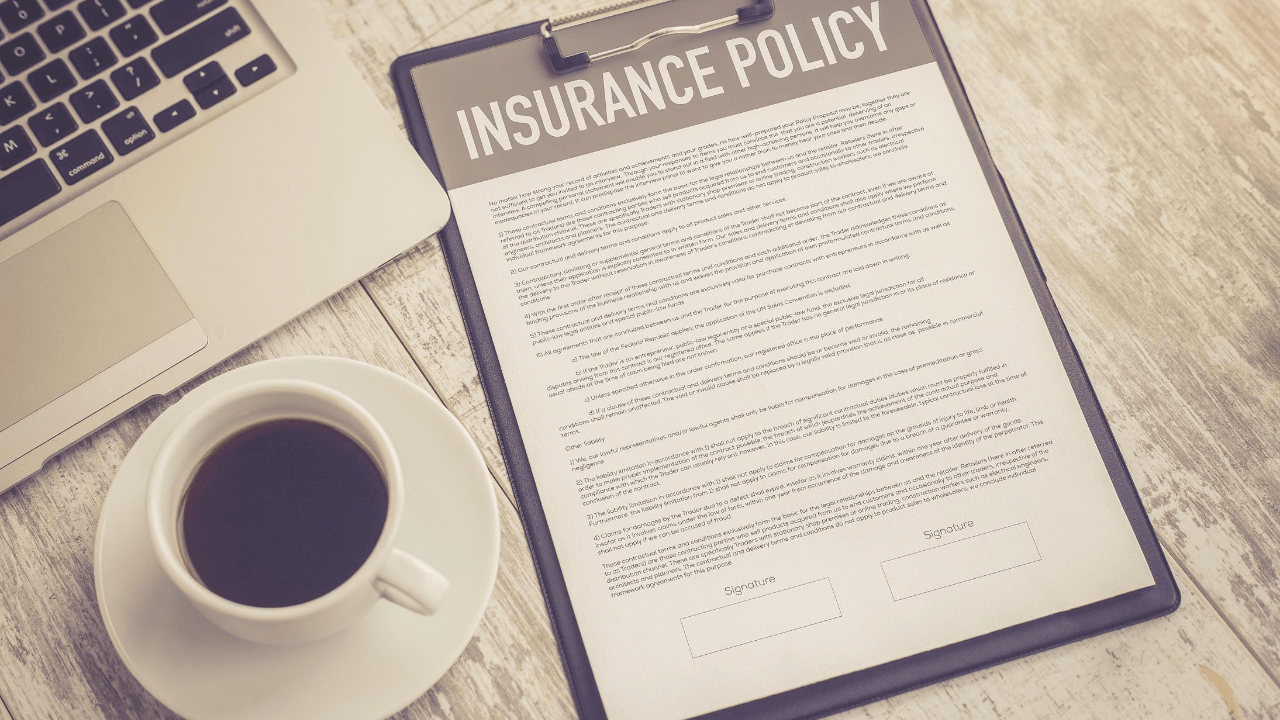
As a Weston landlord, one of your most important obligations is to provide a safe and habitable home for your tenants. Once you know you’re doing that, you need to start thinking about another important obligation: protecting your investment and yourself. The best way to do this is with a comprehensive insurance policy.

Landlord Insurance vs. Homeowner’s Insurance

If you’re renting out a home that you once lived in yourself, you’ll need to switch from a homeowner policy to a landlord policy. The main difference is that your landlord policy covers the structure of the home and the costs to repair and replace it. However, it doesn’t cover any personal belongings that aren’t yours. Your tenants will need their own coverage.

For this reason, we strongly recommend you require renter’s insurance of your tenants. While your landlord policy will protect your structure and defend you against liability claims, it won’t pay to replace any of the tenant’s personal belongings. Therefore, you should require renter’s insurance from your tenants. This will protect them and it will also give you an extra layer of protection. If your tenant starts a fire by leaving a stove on, their insurance will cover the claim before your policy is used. It’s very inexpensive for tenants, and a good way to keep the value of their belongings safe.

Weston Landlord Insurance and Liability

A good landlord insurance policy will also have higher liability coverage than your average homeowner policy. This is important because anything can happen when tenants are living in your property. If a resident or a resident’s guests gets injured in your home, you’ll need to be covered. Talk to your insurance agent about the required or recommended liability limits. If something happens and you’re sued, you want to be protected.

Check Your Hurricane and Storm Policies

Make sure your insurance policy includes as much protection as possible against the threat of weather. You want to be sure you’ll have the coverage necessary to completely rebuild your home if the worst happens. You’ll also want to make sure you’re covered for any liability if your tenants stay in the home during a bad storm. Make sure you have flood insurance and enough coverage for loss of rent in case your tenants need to move out while repairs are made.

Loss of Rent Coverage in Boca Raton

It’s important to cover yourself in case you have to move your tenant out of the property. Suppose there’s a tropical storm that tears the roof off of your home or the air conditioning dies during a south Florida summer and there’s a delay in getting the new system installed. Your tenants will not be able to stay in the home, which means you may have to put them in a hotel. If they can’t live in the property for an extended time, you’ll lose a lot of rental income in addition to paying out of pocket for costs like hotel bills. If your landlord policy doesn’t already include loss of rent coverage, consider adding it.

insurance

Additional protections are always available when you’re buying insurance for your rental property, and you should consider them carefully. Flood insurance is an important thing to include in Florida, and it’s required in many Weston neighborhoods. 


If you have any questions about the insurance requirements for your Weston rental property, please contact us at Florida Property Management Services. We’d be happy to talk more about how to find the best insurance for your investments. 


Share this post

By Florida PMServices May 12, 2026
Welcome to the May edition of the Investor Newsletter! This month, the rental market is proving that strong returns are no longer just about rent growth. With operating costs taking center stage, investors are sharpening their focus on what really drives long-term returns. Inside, we cover these rising operating costs, take a quick look at ADUs, and round up the latest headlines shaping the market right now. The Quiet Profit Squeeze: Why Operating Costs Now Matter More Than Rent Growth Something is quietly changing inside single-family rental performance, and it is not something you will find in rent growth headlines! Even in markets where rents are holding steady or slowly growing, many portfolios are seeing a different pattern emerge; Net operating income is tightening, and the pressure is coming less from revenue and more from rising operating costs. Insurance has become one of the most unpredictable expenses for property owners. According to a recent article , premiums across commercial real estate are projected to rise another 8-15% annually in 2026. This is predicted to be driven by severe weather, higher rebuilding costs, and tighter underwriting standards. Bloomberg also recently noted that U.S. home insurance costs continue to rise as insurers adjust to growing climate and replacement cost pressures. For SFR investors, insurance is no longer a predictable line item. It is a cost that can impact cash flow from one renewal to the next. Maintenance and repairs are adding pressure as well. What many owners once viewed as routine upkeep has become a form of invisible inflation. According to a recent report , repair and maintenance costs have risen nearly 14% year over year and roughly 50% since 2020 in many locations. Deferred maintenance is also becoming more expensive to delay, often turning into much larger expenses down the road. Property taxes are another growing concern. Unlike insurance, tax increases tend to move more gradually through reassessments and municipal adjustments, making them easier to underestimate during underwriting. A Business Insider article highlights how taxes, insurance, and fees are becoming a larger share of “hidden costs” for property owners. Another article reported that property taxes and insurance now account for more than 21% of monthly housing costs in many markets. The takeaway for investors is that operational execution matters just as much as acquisition strategy. Strong returns depend on how well expenses are managed through proactive insurance reviews, preventative maintenance, tax monitoring, and disciplined renewal management. With rent growth normalizing in many areas, protecting NOI, rather than focusing only on revenue growth, may be becoming an even more important part of long term rental performance. Did You Know: Accessory Dwelling Unit (ADU) Everything You Need to Know in 60 Seconds! You might have heard them called "granny flats," "carriage houses," or "casitas," but in the real estate world, they are known as Accessory Dwelling Units (ADUs). As housing demand continues to rise nationwide, and many investors are looking for creative ways to maximize returns on existing properties, ADUs are a flexible option that can increase rental income, property value, and long-term investment potential. What is an ADU? An Accessory Dwelling Unit (ADU) is a smaller, secondary living space built on the same property as a primary home. To be a legal ADU, it must have its own kitchen, bathroom, and sleeping area. They can be detached, attached or repurposed from a home. Who uses an ADU? Homeowners and real estate investors often use ADUs to maximize their land and profits. It can provide a secondary housing option for additional tenants, multi-generational families, or short-term guests. For single-family rental investors, ADUs can turn one property into more income. Where are ADUs located? ADUs are appearing in neighborhoods across the country. As housing demand and affordability challenges continue to grow, more local governments are updating zoning rules to allow investors and homeowners to add these secondary living spaces to existing properties. When should an investor consider an ADU? ADUs may make most sense when a property has excess space, rental demand is strong, and local zoning allows secondary units. Many investors use this when they want to increase cash flow without purchasing another property. Why Are ADUs Important? ADUs are becoming a major trend in residential real estate. They can potentially: Increase rental income Help with housing shortages Offer flexible living arrangements Boost overall property value SFR Trending Headlines Stay Up to Date on the Hottest SFR News & Stories Wave of Price Cuts Arrives Before the Summer Heats Up Selena Gomez Eyes $1.6M Profit on Former Tom Petty Home Zillow and Redfin Brace for Major Legal Fight Are Tenants Saving by Not Owning ? Zuckerberg’s $170M Deal Breaks Miami Record Rate Update: We've Partnered with LendingOne to Bring You The Best DSCR Rates & Terms! DSCR Loan Advantages: Rates Often Lower Than Banks No Personal Income Requirement No Tax Returns Needed Not Reported on Credit Faster Closing Times Specialized Loans for Investors Only! Click for Financing Options! Until Next Month! The Florida Property Management Services Team
By Florida PMServices May 12, 2026
Please click on this LINK to learn the steps of an eviction process in Florida as explained by attorney Jerron Kelley
By Gaston Reboredo April 29, 2026
An Update in 2026
Show More