Recent Residential Rental Activity in Boca Raton, Florida
The residential rental market in Boca Raton, Florida continues to demonstrate resilience and strong demand despite broader shifts occurring throughout South Florida's housing sector. Over the past year, the city has experienced steady leasing activity across apartments, condominiums, townhomes, and single-family residences, driven by a combination of corporate relocations, population growth, lifestyle migration, and the continued appeal of Boca Raton's high quality of life.
Boca Raton remains one of the most desirable residential communities in Palm Beach County. Its highly rated schools, proximity to beaches, extensive shopping and dining options, growing business sector, and convenient access to major transportation corridors continue to attract renters from across the United States and internationally. Recent rental activity suggests that while the market has become more balanced compared to the extraordinary post-pandemic years, well-priced and well-maintained properties continue to lease successfully.
Current rental data indicates that average rents in Boca Raton remain significantly above national averages. Zillow reports average rental rates around $3,200 per month across all property types, while other market sources place average rents between approximately $2,850 and $3,200 depending on property type and location.
Recent leasing activity has been particularly strong in several key segments of the market. Single-family homes located in family-oriented communities continue to attract professionals relocating from the Northeast, California, and other high-cost markets. Many renters are choosing Boca Raton before making a home purchase decision, resulting in increased demand for annual rental properties in desirable school districts and gated communities.
Neighborhoods such as West Boca, Boca Del Mar, Boca Pointe, Lotus, Woodfield Hunt, Woodfield Country Club, Central Boca, and East Boca have remained active rental submarkets. According to Realtor.com data, Boca Del Mar, Southeast Boca Raton, Northwest Boca Raton, and Sandalfoot Cove continue to maintain substantial rental inventories and leasing activity.
Luxury rentals have become one of the strongest performing segments in the local market. High-income renters seeking flexibility, seasonal residents, executives relocating to South Florida, and prospective homebuyers waiting for favorable purchasing conditions have contributed to demand for upscale condominiums and waterfront homes. Properties offering resort-style amenities, modern finishes, private pools, water views, and proximity to downtown Boca Raton often command premium rental rates. Our inventory at Florida Property Management Services LLC ranges from $4,000.00 per month to just over $19,000.00, covering a vast range of luxury properties.
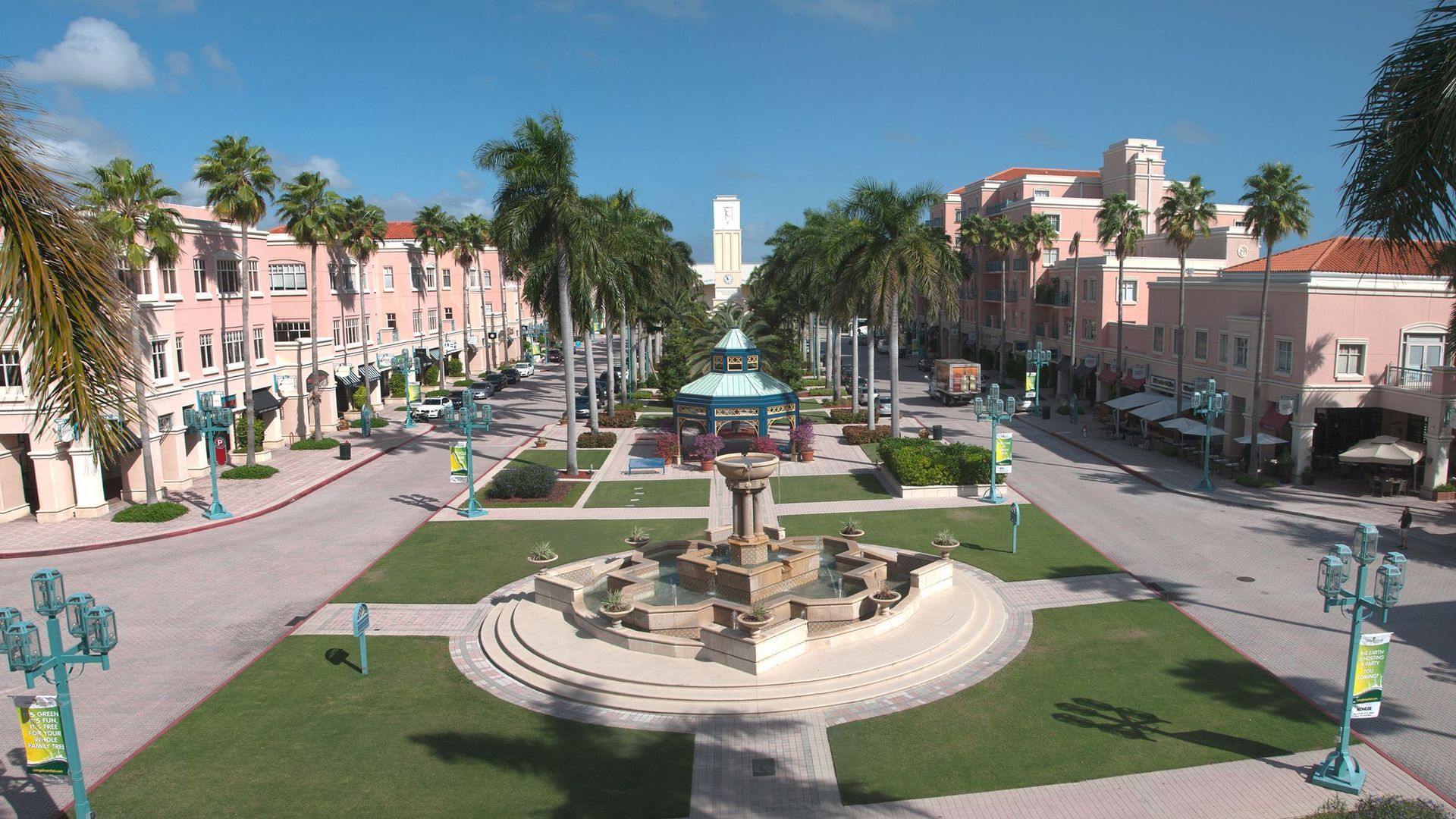
Downtown Boca Raton has emerged as one of the city's most sought-after rental locations. Areas surrounding Mizner Park and the downtown business district continue to attract younger professionals and affluent renters seeking walkability and urban conveniences. Recent demographic trends indicate that Boca Raton is increasingly attracting younger residents, entrepreneurs, and professionals who appreciate the city's combination of lifestyle amenities and economic opportunities.
The city's evolving business environment has also contributed to rental demand. Boca Raton continues to attract employers and investment into new office developments and mixed-use projects. Corporate expansion and new employment opportunities have created additional housing demand from executives, managers, and professional employees relocating to the area.
Another notable trend is the continued popularity of short-term and transitional rentals. Online discussions among relocating families, university staff, and corporate transferees reveal ongoing demand for furnished rentals and flexible lease terms. Many newcomers use rental properties as a way to become familiar with Boca Raton's various neighborhoods before committing to a home purchase.
Seasonal rentals also continue to play an important role in the local housing market. During the winter season, demand from snowbirds and international visitors often pushes rental rates higher, particularly in East Boca, waterfront communities, golf course developments, and luxury condominium buildings.
Although rental demand remains healthy, tenants are benefiting from a somewhat more balanced market compared to previous years. Inventory levels have increased modestly throughout South Florida, providing renters with more choices and greater negotiating power. Rental properties are generally spending more time on the market than during the peak demand period of 2021 through 2023, especially within the luxury segment. Industry data suggests that accurately priced rental properties continue to lease efficiently, while overpriced listings may experience extended marketing periods.
Property owners and investors should note that presentation, pricing strategy, and professional management have become increasingly important in today's environment. Renters are carefully comparing properties, amenities, locations, and lease terms before making decisions. Homes that offer updated interiors, energy-efficient features, smart-home technology, and attractive outdoor living spaces generally generate stronger interest and shorter vacancy periods.
Looking ahead, Boca Raton's rental market appears well-positioned for continued stability. The city continues to attract new residents from across the country while maintaining a strong local economy and exceptional quality of life. New residential development projects and mixed-use communities may gradually add supply, but population growth and ongoing demand for South Florida housing are expected to support rental values over the long term.
For investors and accidental landlords, Boca Raton remains one of South Florida's most attractive residential rental markets. The combination of affluent demographics, strong tenant demand, excellent schools, desirable neighborhoods, and a diversified local economy continues to create opportunities for long-term rental property ownership. While the market has normalized from the unprecedented conditions seen during the pandemic years, recent residential leasing activity demonstrates that Boca Raton remains a premier destination for renters seeking luxury, convenience, and lifestyle in one of Florida's most desirable coastal cities.
Share this post